When Critical Pipe Systems Need Structural Integrity
Pipe Welding in Albany for high-pressure systems and load-bearing installations that must hold under constant use
Diaz Metalworks provides pipe welding in Albany and the surrounding area for ranchers, landowners, and property managers who rely on durable connections in water systems, utility setups, and structural applications. You need welds that hold when systems run under pressure or carry heavy loads day after day. Whether you are installing new lines for livestock water or repairing cracked joints in an irrigation network, the quality of each connection directly affects how long the system performs without failure.
Pipe welding involves precise heat control, correct filler metal selection, and attention to joint preparation so that each weld penetrates fully and bonds metal to metal without voids or weak spots. In agricultural settings around Albany, pipes often endure constant exposure to weather, movement from livestock, and fluctuating pressure from pumps or gravity-fed systems. Welds must resist corrosion, vibration, and the stress that comes from thermal expansion and contraction across seasons.
Schedule a pipe welding service or consultation to assess your current system and discuss repair or new installation requirements.
What Differentiates Functional Pipe Welds From Failed Connections
You begin with a review of the pipe material, wall thickness, and the operating pressure or load the joint will support. Diaz Metalworks uses methods suited to the specific pipe type and environment, whether that involves stick welding for thick-walled steel in structural frames or TIG welding for stainless steel in sanitary or corrosive applications. Joint fit-up is checked before striking an arc to confirm alignment and gap spacing.
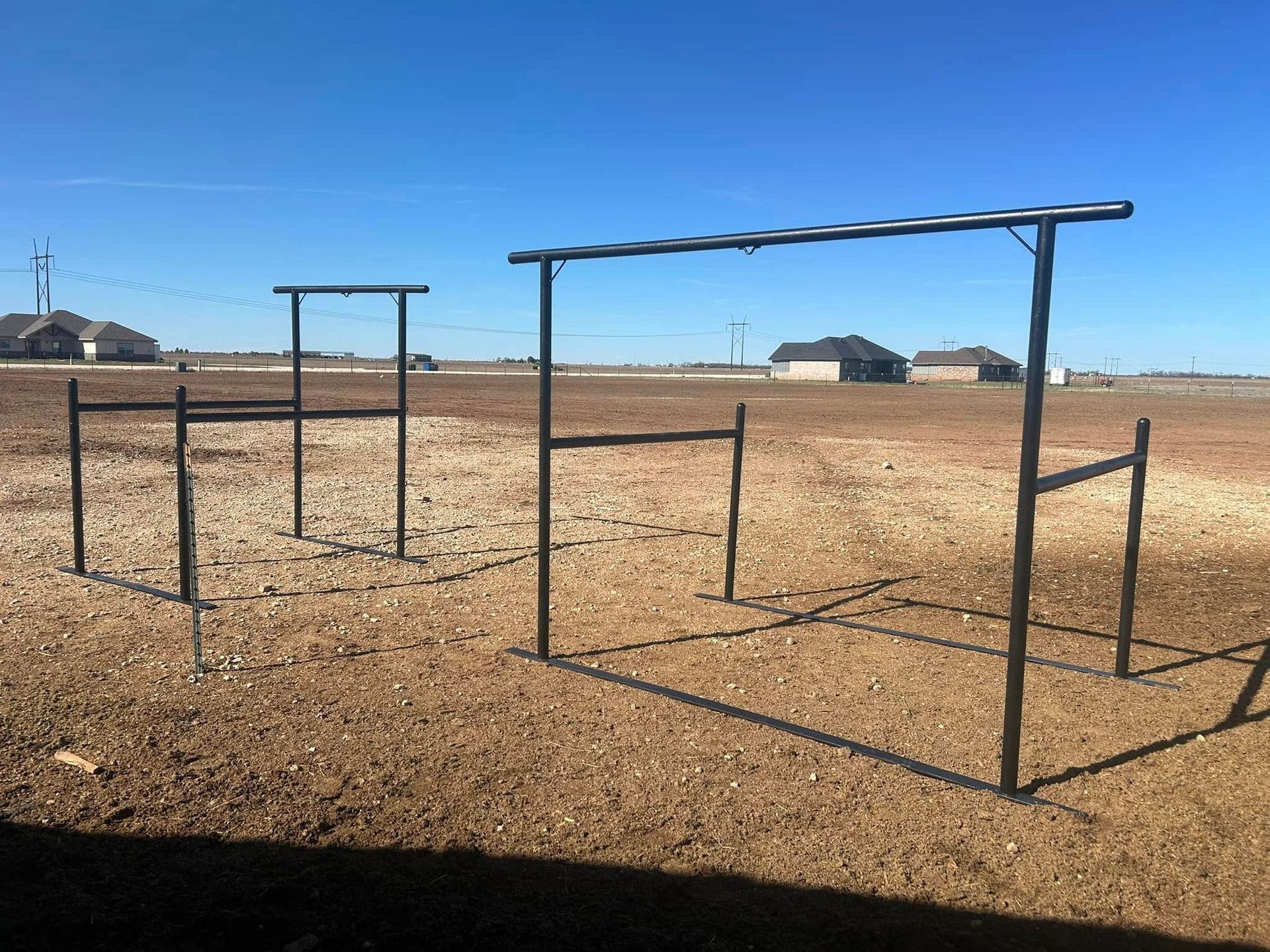
After the weld cools, you will see clean, consistent bead profiles without undercut, porosity, or excessive spatter. Pressure-tested joints hold without leaks, and structural connections carry the intended load without deflection or cracking at the heat-affected zone. Properly welded pipe systems continue to function through seasonal temperature swings, routine vibration, and years of daily operation without requiring ongoing patchwork.
The work includes surface cleaning, beveling when necessary, and post-weld inspection to confirm penetration and fusion. It does not include trenching, pipe threading, or installation of fittings unless arranged separately. Complex multi-pass welds on thick pipe or code-required documentation are handled based on the project scope and applicable standards.
Questions About Pipe Welding and System Durability
Pipe welding projects often involve specific concerns about material compatibility, inspection standards, and long-term performance under working conditions.
What type of pipe material requires different welding methods?
Carbon steel, stainless steel, and galvanized pipe each demand specific filler metals and heat input to avoid brittleness, corrosion, or zinc fume hazards during the welding process.
How do you confirm a weld will hold under pressure?
Visual inspection checks for uniform bead width and complete tie-in, and pressure testing with water or air verifies the joint integrity before the system is placed into service.
When should existing pipe be repaired versus replaced?
You repair when the remaining wall thickness supports safe operation and the defect is localized, but you replace sections thinned by rust, repeatedly cracked welds, or pipe that no longer meets the system's pressure rating.
Why does weld quality matter more in load-bearing applications?
Structural pipe joints carry weight transferred through the frame, so incomplete fusion or slag inclusions create weak points that can fracture under sustained or impact loading.
Contact Diaz Metalworks to arrange an on-site assessment of your pipe system and discuss welding requirements for new construction or repair work that keeps water flowing and structures standing.